


Human Stem Cells: A New Perspective in Multiple Sclerosis Treatment
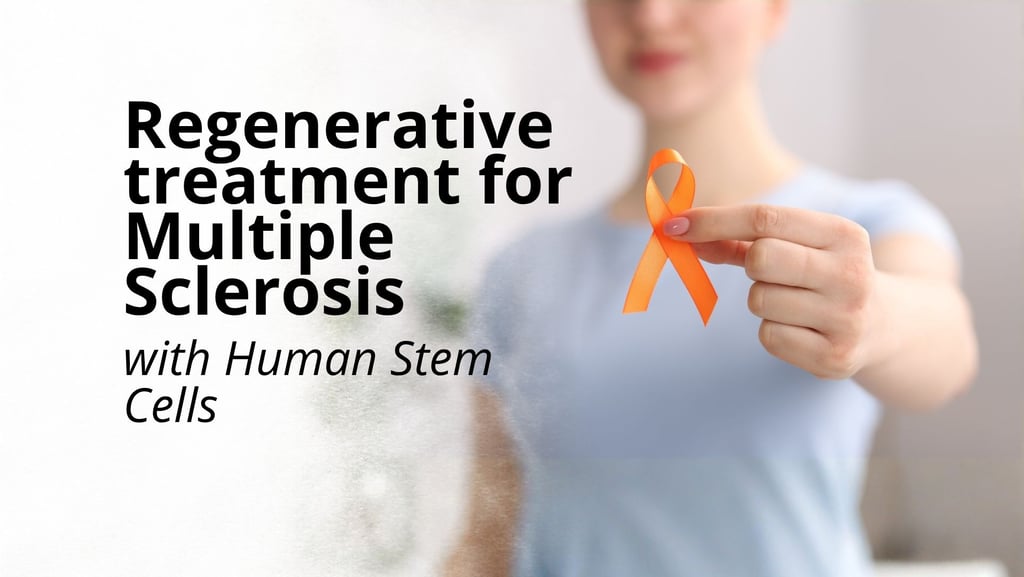
Multiple sclerosis (MS) represents one of the most complex neurodegenerative challenges faced in contemporary medical practice. In recent years, regenerative medicine has solidified its role as a hopeful, scientific alternative, especially through the use of human mesenchymal stem cells (MSCs).
Regenerative Potential in MS
Multiple sclerosis is characterized by the progressive destruction of myelin in the central nervous system, disrupting the transmission of neuronal impulses and reducing patients’ quality of life. Unlike traditional treatments, therapies with MSCs offer:
Modulation of the immune response: MSCs can reduce the autoimmune activity that triggers disease flare-ups.
Stimulation of neuronal regeneration: They enhance the repair of damaged tissue and promote remyelination.
Reduction of chronic inflammation: They minimize progressive damage and help control symptoms.
Innovation Supported by Experience
Leading centers like CryoVida, with over 18 years advancing cellular medicine and the backing of hundreds of specialists, attest to the relevance and safety of these protocols. This progress enables new therapeutic options in both early and advanced stages of the disease, always under an ethical and scientific approach.
Your Practice as an Agent of Change
Integrating stem cell treatments into the management of MS places physicians at the forefront, allowing them to offer alternatives that improve their patients’ prognosis and quality of life. Being part of the network of innovative professionals fosters continual learning and access to exclusive benefits within the field of regenerative medicine.
Conclusion
Mesenchymal stem cells represent a real opportunity to transform the clinical approach to multiple sclerosis. By implementing regenerative therapies, healthcare professionals can offer new hope, supported by evidence and an ethical commitment to their patients.
Address
Guadalajara, Jal.
Zip Code: 44500
Subscribe to our Newsletter
The content of this website is for informational purposes only. It is not a substitute for professional medical advice, diagnosis, or treatment. Always seek the advice of your physician or other qualified healthcare provider with any questions regarding a medical condition.
Stay informed about the latest advancements in stem cell therapy and regenerative medicine. Join our community today!